


Co-operative Court Cannot Decide Redevelopment Disputes Where Third-Party Rights Exist: Bombay HC
 Copy Link
 Share
 Save
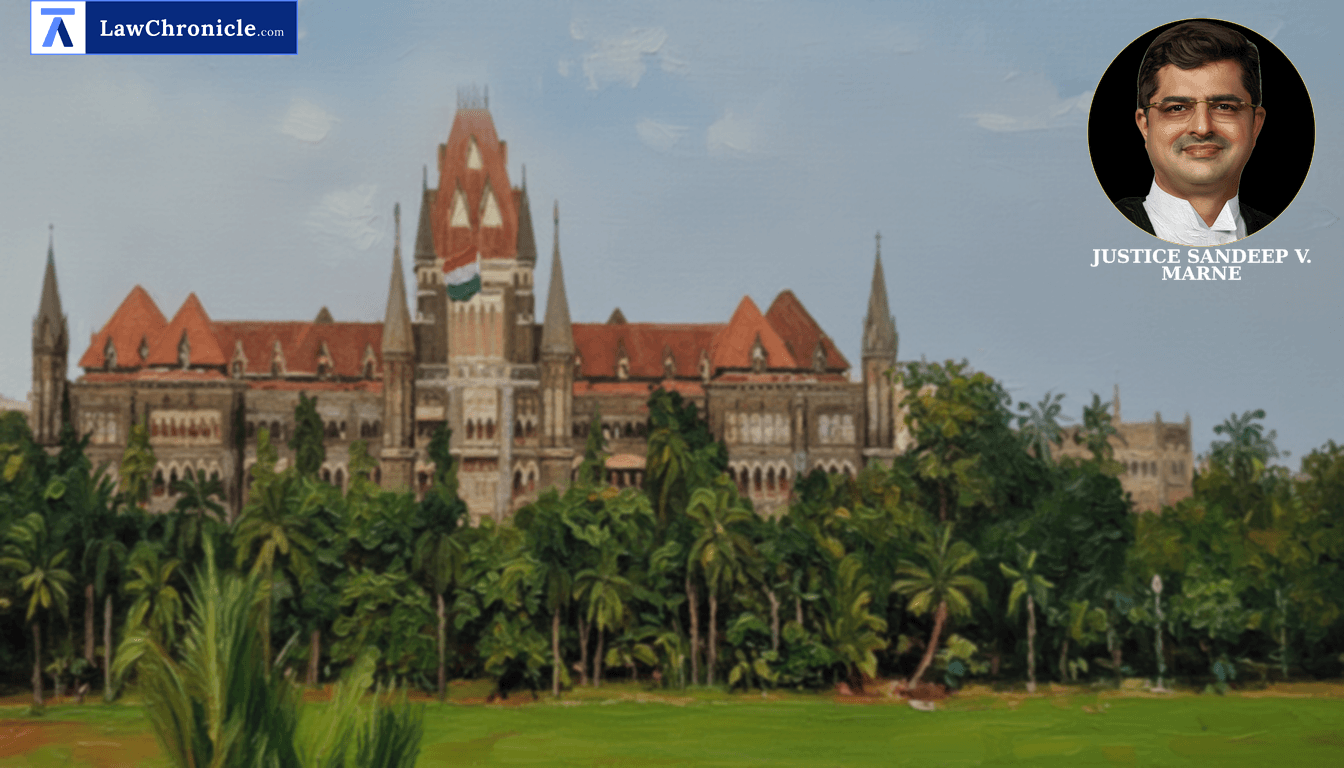
The Bombay High Court has delivered a decisive blow to the maintainability of redevelopment disputes before Co-operative Courts, ruling that once third-party rights are created through Development Manager or Finance Agreements, the Civil Court retains exclusive jurisdiction. The Bench barred Section 91 of the Maharashtra Co-operative Societies Act, 1960 to challenge matured redevelopment projects, mandating that such composite disputes must be adjudicated by Civil Courts under Section 9 of the Code of Civil Procedure, 1908.
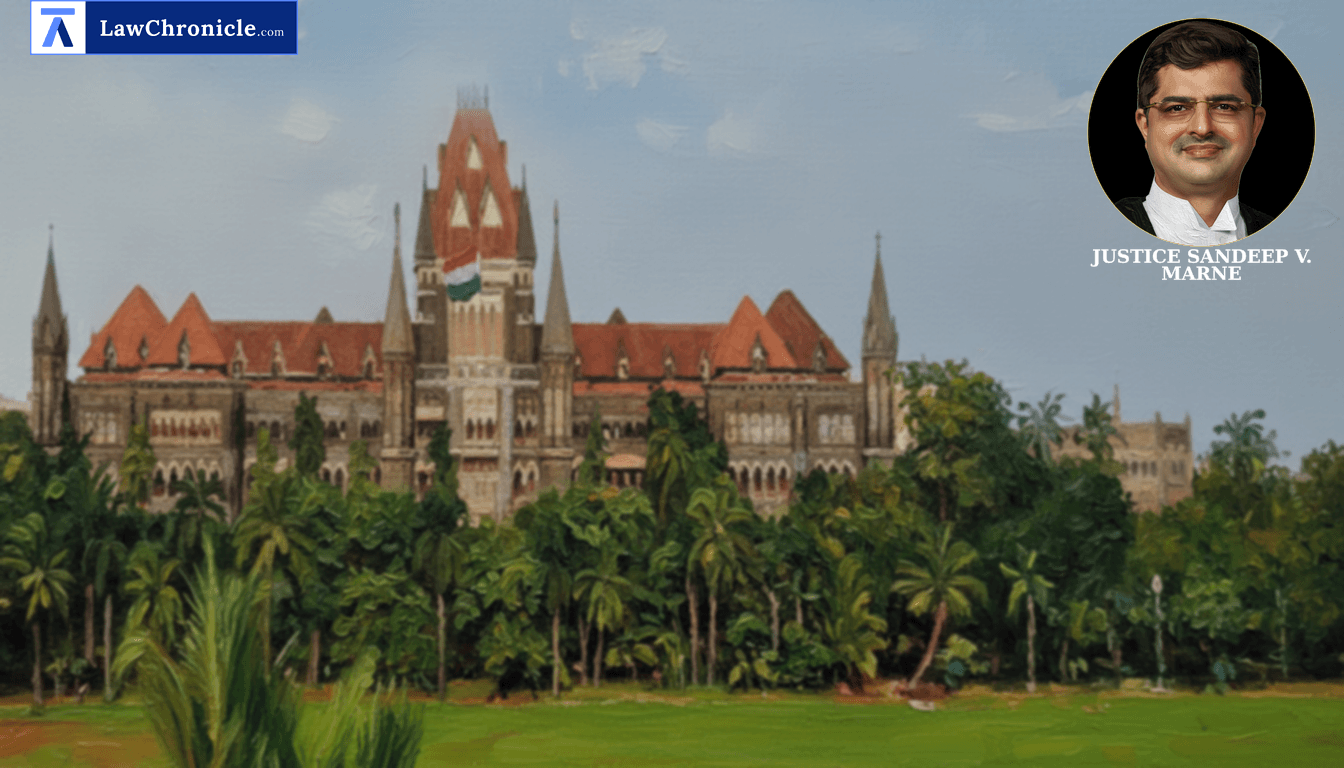
Justice Sandeep V. Marne, while hearing two interconnected writ petitions, clarified the rigid jurisdictional boundaries between specialized co-operative tribunals and plenary civil courts. The bench was tasked with deciding whether a dispute challenging the selection of a Development Manager and financial irregularities in a self-redevelopment project could remain within the Co-operative Court’s purview after interest in the property had already been transferred to third parties.
Key Takeaways
Jurisdictional Shift to Civil Courts
Once a society executes agreements creating rights in favour of developers or financiers, the Co-operative Court loses jurisdiction as these third parties cannot be impleaded under Section 94(3) of the Maharashtra Co-operative Societies Act, 1960.
Redevelopment as 'Business'
Redevelopment does not automatically constitute the 'business' of a society unless the bylaws are specifically amended post-2019 to include it, a prerequisite for any dispute under Section 91.
Composite Challenge Requirement
Litigants cannot segregate challenges to society resolutions from challenges to development agreements; both must be heard together in a Civil Suit to avoid conflicting decrees.
Mandatory Pleadings
For a redevelopment dispute to be maintainable in a Co-operative Court, the plaint must positively aver that bylaws were amended and no third-party interests were created prior to filing.
Dual Test for Co-operative Court Jurisdiction
The Bombay High Court observed that for a dispute to be maintainable under Section 91 of the Maharashtra Co-operative Societies Act, 1960, it must meet twin requirements: the parties must belong to the enumerated classes (members, committee, society), and the subject matter must relate to the society's business. Following the principles in Margret Almeida vs. Bombay Catholic Co-operative Society Ltd. and Baliram Totaram Misal vs. Saujanya Co-operative Housing Society Ltd., the Bench ruled that subsequent redevelopment is generally not the 'business' of a housing society unless specifically adopted via bylaw amendments.
The Bombay High Court observed that "If the bylaws are not amended so as to include redevelopment as business of the society, dispute challenging decisions relating to redevelopment would not be maintainable before the Co-operative Court irrespective of the stage at which the redevelopment process is... if the Dispute is filed after execution of Development Agreement or any other document in favour of a developer/contractor/consultant by which any right, title or interest is created in their favour in the society's property, even if redevelopment forms part of business of the society... such Dispute will not lie before the Co-operative Court."
The Bar Under Section 94(3)
A critical legal hurdle identified was the prohibition on impleading third parties who acquired interest before the dispute was filed. The Court noted that since the Development Manager and Financier acquired rights in 2024 and 2025, they could not be joined as parties in a 2026 dispute. The Court has following directions:
Ratio
A dispute challenging a redevelopment process under Section 91 of the Maharashtra Co-operative Societies Act, 1960 is not maintainable if: (i) the society’s bylaws have not been amended post-2019 to include redevelopment as its business, or (ii) third-party right, title, or interest has been created in the society's property prior to the filing of the dispute. Where third-party rights exist, the Civil Court holds exclusive jurisdiction to hear a composite challenge to both the society's resolutions and the resulting agreements.
Background
The petitioners, members of Khernagar Nandadeep CHSL, challenged a 'self-redevelopment' project, alleging it was a third-party redevelopment in disguise. They contended that a Development Manager Agreement (DMA) and Finance Agreement granted 71% of the constructed area to third parties, leaving only 29% for members. They sought disclosure of financial documents and compliance with government guidelines. The Co-operative Court initially refused to reject the plaint, but the Co-operative Appellate Court reversed this, citing a lack of jurisdiction. The Bombay High Court, relying on Parimal H. Solanki vs. Bhoumik Co-operative Housing Society Ltd. and Anthony Irineus Carneiro and Anr. vs. Francis Colaco and Ors. ( "Civil Writ Petition No.9817 of 2026 decided on 18 September 2026": 2026 CaseBase(BOM) 5669), affirmed that the involvement of third-party interests and the lack of bylaw amendments rendered the Co-operative Court the wrong forum. The petitions were dismissed, granting the petitioners liberty to approach the Civil Court.
Case Details:
Case No.: WRIT PETITION NO.11719 OF 2026 WITH WRIT PETITION NO.12770 OF 2026
Neutral Citation: 2026:BHC-AS:41916
Case Title: Ramesh K. Devadiga and Ors. Versus Khernagar Nandadeep Cooperative Housing Society Limited and Ors.
Appearances:
For the Petitioner(s): Mr. Kunal Bhanage with Mr. Akshay Pawar, Mr. Faiz Ali Khan and Ms. Sarita Shetye
For the Respondent(s): Mr. Mayur Khandeparkar with Mr. Devansh Shah, Mr. Bishwajeet Mukherjee and Mr. Naman Gupta
Source: 2026 CaseBase(BOM) 6534
Similar Articles

 Breaking News


