


Bombay HC upholds Reproductive Autonomy; Allows Termination of 28-Week Pregnancy
 Copy Link
 Share
 Save
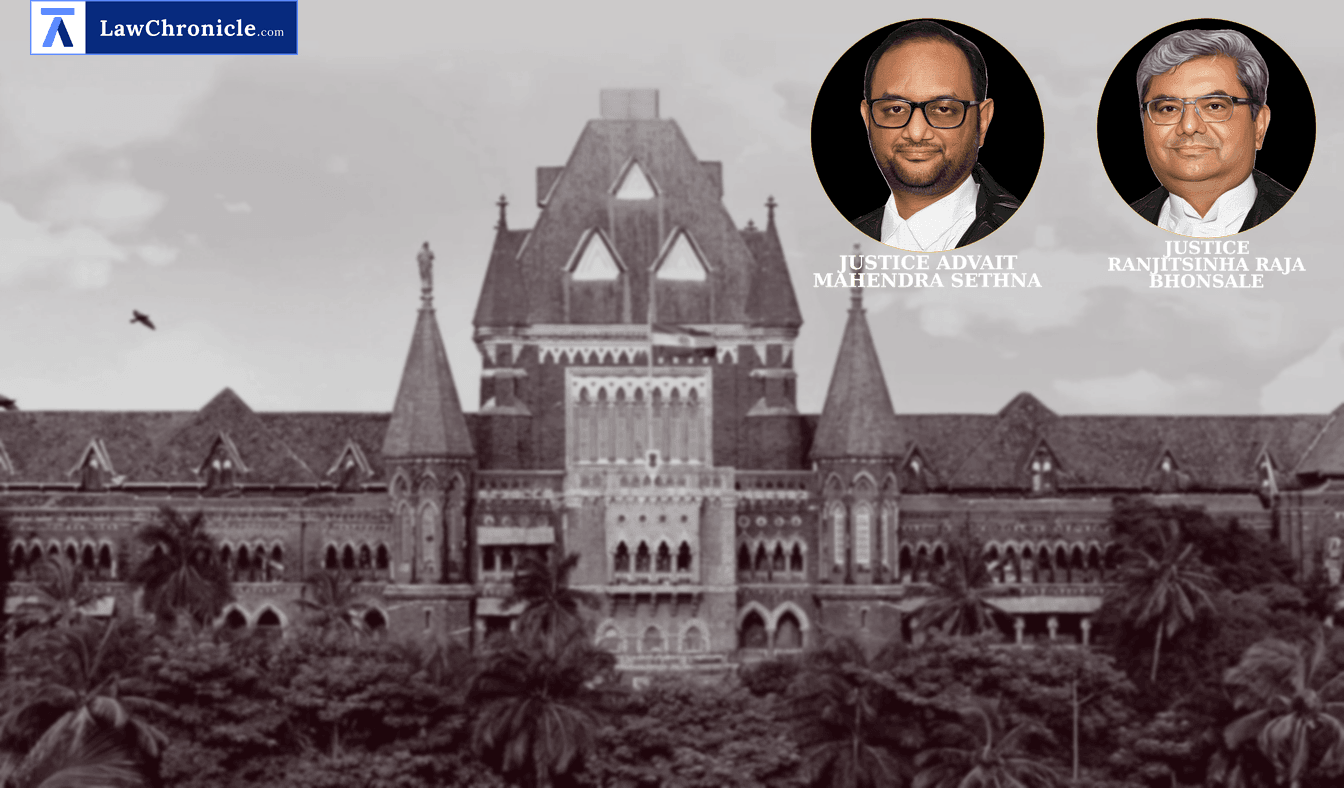
In a decisive affirmation of bodily integrity, the Bombay High Court has permitted a minor sexual assault survivor to terminate her 28-week pregnancy, ruling that a woman's reproductive autonomy must prevail over the rights of an unborn foetus regardless of gestational age. The Court underscored that forcing a survivor to carry an unwanted pregnancy to term constitutes visceral trauma, mandating that the state assume full responsibility for the infant if born alive.
A vacation bench comprising Justice Advait M. Sethna and Justice Ranjitsinha Raja Bhonsale adjudicated the petition filed by a 17-year-old minor and her father. The petitioners sought the court's intervention after discovering the pregnancy at an advanced stage, well beyond the 24-week threshold prescribed under the Medical Termination of Pregnancy Act, 1971. The Bench intervened to balance the statutory limitations with the petitioner's fundamental rights under the Constitution of India, 1950.
Key Takeaways
Priority of Maternal Autonomy
Reproductive autonomy and bodily integrity are fundamental rights that override the legal status or viability of a foetus in cases of unwanted pregnancies resulting from assault.
State Guardianship of Newborns
Where a child is born alive following a court-ordered termination, the State and its agencies must assume full responsibility for medical care and rehabilitation if the parents are unable to do so.
Irrelevance of Foetal Viability
Once a woman determines to detach herself from a pregnancy, considerations regarding whether the child would be born healthy or viable become legally irrelevant to the decision to terminate.
Legal Framework and Medical Evaluation
The Petitioner had registered an FIR under Sections 4, 4(1), 6, and 10 of the Protection of Children from Sexual Offences Act, 2012 read with Section 64(1) of the Bharatiya Nyaya Sanhita, 2023. Following a court order, a Medical Board at Sir J. J. Group of Hospitals evaluated the minor. While the board noted the absence of lethal congenital anomalies, it acknowledged the potential for "grave and irreparable harm" to the survivor's psychological health. The Bombay High Court emphasized that "The reproductive autonomy and bodily integrity of a pregnant woman must be given sufficient emphasis over the rights of unborn foetus. Moreover, the right to choose whether to carry a pregnancy to term is firmly rooted in her right to bodily autonomy, noting that forcing a woman to continue an unwarranted pregnancy causes visceral trauma and ignores the physical and mental transformation that a woman’s body undergoes."
Judicial Precedents and Maternal Rights
The bench relied heavily on the legal principles established in A (Mother of X) vs. State of Maharashtra and Others, where the Supreme Court permitted termination at 30 weeks, emphasizing that maternal rights take precedence. Furthermore, the Bombay High Court cited XYZ Vs Union of India & Ors. to establish the protocol for infants born alive during such procedures, ensuring they are not neglected.
The Bench issued the following directions: "The Petitioner No. 1 may be permitted to carry out medical termination of pregnancy at J. J. Group of Hospitals, Mumbai which is stated to have adequate facilities, upon following the required medical protocol as mandated under Section 4 of the MTP Act. In the event, the Petitioner No. 1 desires to give child for adoption after delivery, the State and its Agencies will assume complete responsibility of the child and take necessary steps to rehabilitate the child including placing the child in foster care/adoption by following due legal process. We except much less direct the Hospital to provide post-delivery care to the Petitioner No. 1 including neo-natal care for the baby, if so required."
Ratio
The right to reproductive freedom under Article 21 of the Constitution of India, 1950 encompasses the right of a pregnant woman to choose termination over foetal viability. When a pregnancy is unwanted and results from sexual assault, the mental anguish and trauma to the mother constitute a 'grave injury to mental health' under the Medical Termination of Pregnancy Act, 1971, permitting termination even beyond the statutory gestational limits.
Background
The minor petitioner, a commerce student, was allegedly assaulted by an acquaintance in May 2026 while her parents were away. The pregnancy remained undetected until late October 2026 due to irregular cycles. Upon discovery, the family immediately sought legal and medical recourse. The Bombay High Court interacted with the family in chambers, noting their precarious financial condition and the minor's absolute determination to terminate. The Court allowed the petition, making the rule absolute and ensuring the minor's right to live with dignity was protected.
Case Details:
Case No.: WRIT PETITION NO. 15243 OF 2026
Neutral Citation: 2026:BHC-AS:45507-DB
Case Title: XYZ and Another Versus The State of Maharashtra and Others
Appearances:
For the Petitioner(s): Mr. Kanchan Pawar, Legal Aid Counsel
For the Respondent(s): Ms. M. P. Thakur, AGP
Source: 2026 CaseBase(BOM) 7166
Similar Articles




 Breaking News


