

Bombay HC Orders Reinstatement, Finds Breach of Section 33(2)(b)
 Copy Link
 Share
Share Save
Save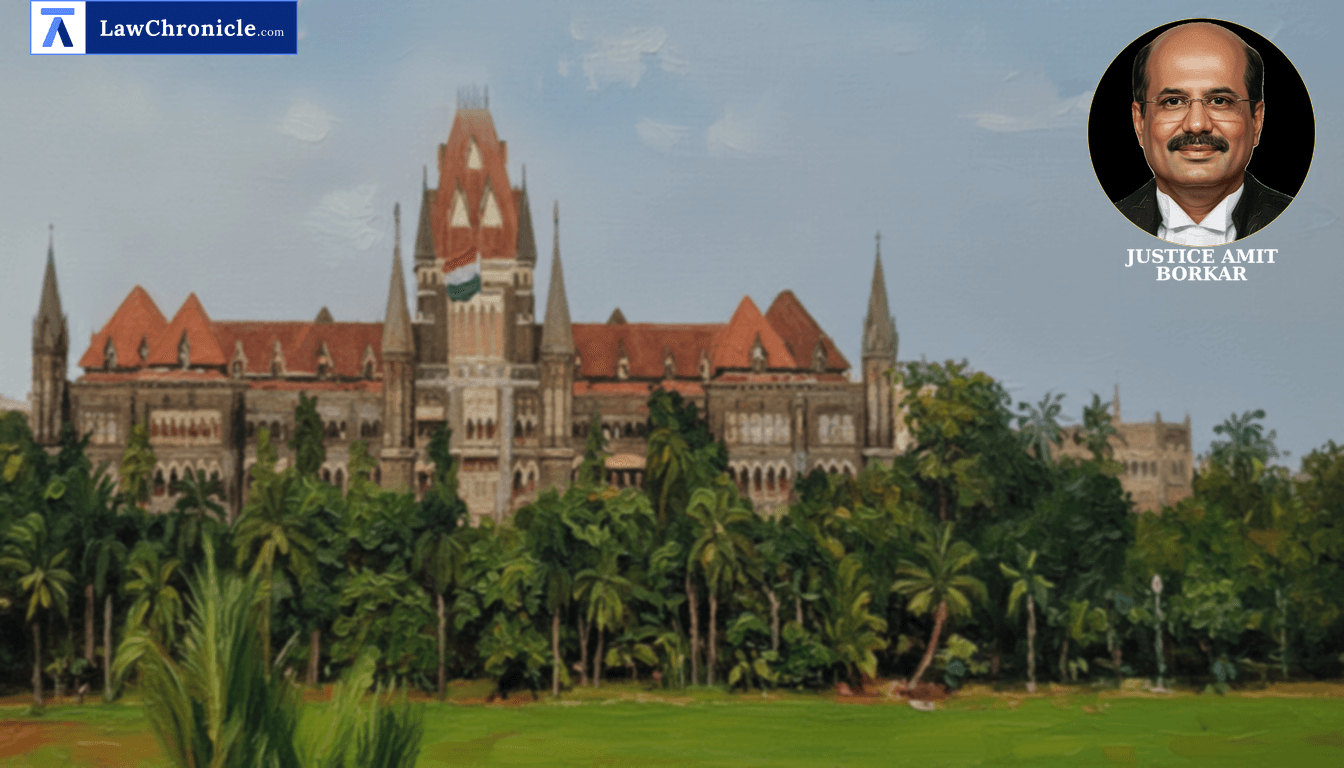
A bench of Justice Amit Borkar heard two connected writ petitions that were instituted under Articles 226 and 227 of the Constitution of India, 1950 and arose out of a common Award of the Industrial Court, Thane dated 18 January 2024, which had recorded that the termination of the workman was effected during the pendency of References under Section 33(2)(b) of the Industrial Disputes Act, 1947 and had declined reinstatement while awarding monetary compensation.
The Court held that the termination was inoperative for failure to comply with the mandatory conditions of Section 33(2)(b) of the Industrial Disputes Act, 1947 and therefore directed reinstatement with continuity of service and a structured scheme for back wages while permitting necessary set-offs. The Court observed that statutory protection under Section 33 was designed to preserve industrial peace and to prevent victimisation, and it applied binding precedents to reach its conclusions.
The Court, in its reasoning, observed: " Section 33 of the Industrial Disputes Act is enacted as a provision of protection, made by the Legislature with intention to preserve industrial peace during the time when conciliation proceedings or adjudication proceedings are pending before competent authority. The object behind such provision is that when dispute between employer and workmen has reached legal forum, atmosphere between parties remains strained. At such stage, if employer is permitted to alter service conditions against workers, then pending proceedings may get influenced by pressure. Therefore, law intervenes and places temporary restraint upon employer's powers. In that sense, Section 33 is a statutory device for maintaining fairness. It keeps pending proceedings free from coercion."
Background
The petitions arose from disciplinary proceedings against the workman following a charge-sheet dated 12 October 2012 and a domestic enquiry which concluded with findings of guilt on 31 July 2014. The management terminated employment by an order dated 17 October 2014. The workman filed Complaint No.5000001 of 2014 before the Industrial Tribunal, Pune under Section 33A of the Industrial Disputes Act, 1947, challenging the dismissal as arbitrary and discriminatory and seeking reinstatement with back wages. The Tribunal held the domestic enquiry to be fair, declined reinstatement and awarded Rs.7,00,000 as compensation instead.
On appeal by way of writ, the company argued that once the References were settled or withdrawn in practice the requirement of prior approval under Section 33(2)(b) should not be extended by legal fiction and relied upon the object of the provision as explained in Maharashtra State Road Transport Corporation Vs. B.H. Satfale. The workman relied on the Constitution Bench principle in Jaipur Zila Bhoomi Vikas Bank Ltd. Vs. Ram Gopal Sharma & Others that a dismissal effected in breach of Section 33(2)(b) must be treated as never having been validly passed and therefore reinstatement followed as a legal consequence. The workman also relied upon Grindlays Bank Limited Vs. Central Government Industrial Tribunal & Others ( "1980 (Supp) SCC 420": 1980 CaseBase(SC) 88) for the proposition that proceedings under the statute were to be treated as continuing until the statutory point of enforceability and publication elapsed, with the result that the protection of Section 33 applied on the relevant date.
The High Court analysed Section 33 of the Industrial Disputes Act, 1947, observed that subsection (2)(b) imposed pre-conditions including payment of one month wages and an application for approval to the authority before whom the proceeding was pending, and held that the statutory deeming/pendency provisions could not be curtailed by informal settlement or by the management's view of the dispute's cessation. The Court noted in the judgment that "Section 33 of the Industrial Disputes Act is enacted as a provision of protection, made by Legislature with intention to preserve industrial peace during time when conciliation proceedings or adjudication proceedings are pending before competent authority." It applied Grindlays Bank Limited Vs. Central Government Industrial Tribunal & Others ( "1980 (Supp) SCC 420": 1980 CaseBase(SC) 88) to interpret the scope of statutory pendency and relied upon Maharashtra State Road Transport Corporation Vs. B.H. Satfale to contextualise the protective object of Section 33, but treated Jaipur Zila Bhoomi Vikas Bank Ltd. Vs. Ram Gopal Sharma & Others as decisive on the legal consequence that failure to secure approval rendered the dismissal inoperative.
As a result, Writ Petition No.8711 of 2024 filed by the company was dismissed and Writ Petition No.15252 of 2024 filed by the workman was partly allowed. The Award of the Industrial Court dated 18 January 2024 was upheld only to the extent it recorded that the termination occurred during the pendency of References and contravened Section 33(2)(b) of the Industrial Disputes Act, 1947, but the portion denying reinstatement was quashed. The order of dismissal dated 17 October 2014 was declared inoperative and the respondent-company was directed to reinstate the petitioner-workman to his original or an equivalent post within eight weeks with continuity of service, seniority and retiral benefits. The Court prescribed back wages in a graded manner: full back wages from the date of termination until commencement of the petitioner’s grocery business in 2016; fifty percent back wages from 2016 until closure of that business during the Covid period; and full back wages from closure until actual reinstatement, subject to adjustment of amounts already paid and any proven interim earnings. The Court required computation and payment of arrears within twelve weeks of reinstatement and made the rule absolute without costs.
The judgment explicitly grounded its reasoning on the Industrial Disputes Act, 1947 and entertained the writ petitions under Articles 226 and 227 of the Constitution of India, 1950, applying and distinguishing precedents as follows: it treated Jaipur Zila Bhoomi Vikas Bank Ltd. Vs. Ram Gopal Sharma & Others as establishing the automatic effect of non-compliance with Section 33(2)(b), it treated Grindlays Bank Limited Vs. Central Government Industrial Tribunal & Others ( "1980 (Supp) SCC 420": 1980 CaseBase(SC) 88) as authoritative on the temporal scope of pendency under the Act, and it used the principles in Maharashtra State Road Transport Corporation Vs. B.H. Satfale to elucidate the protective purpose of the statutory embargo on dismissals during pendency.
Case Details:
Case No.: WRIT PETITION NO.15252 OF 2024 with WRIT PETITION NO.8711 OF 2024
Case Title: Santosh Chandrkant Potdar v. Bajaj Auto Limited
Appearances:
For the Petitioner(s): Ms. Jane Cox with Mr. Vinayak Suthar i/by Mr. Ghanashyam R. Thombare (for petitioner in WP/15252/2024); Mr. Sudhir Talsania, Senior Advocate with Ms. Sayali Puri i/by M.S. Bodhanwala & Co (for petitioner in WP/8711/2024)
For the Respondent(s): Mr. Sudhir Talsania, Senior Advocate with Ms. Sayali Puri i/by M.S. Bodhanwala & Co (for respondent in WP/15252/2024); Ms. Jane Cox with Mr. Vinayak Suthar i/by Mr. Ghanashyam R. Thombare (for respondent in WP/8711/2024)
Source: 2026 CaseBase(BOM) 202
 Breaking News